New Kitten Checklist UK: What to Buy Before They Come Home
Bringing a kitten home is one of the best weeks of the year — and one of the most expensive if you panic-buy. The good news is that a sensible new kitten checklist is short. Most core starter items in the UK sit between about £5 and £10, with budget options from around £5 upwards, and the difference between the cheapest tray and a mid-range one is rarely the price tag. It's size, ventilation, how easy it is to scrub out, and how much litter spray ends up on your skirting boards.
Kittens are messy. A slightly larger, better-designed tray pays for itself in saved cleaning time and less tracked litter through a Manchester flat or a Devon cottage. So before you fill an online basket with novelty mice, start with the handful of things your kitten genuinely needs in the first 48 hours.
Quick win: a litter tray, litter, a bed or cave, a scratching post, a carrier, two or three safe toys and food bowls are all you need on day one. Everything else can follow in the first month, once you've met your kitten and seen what they actually use.
This guide splits the shopping into two phases — day-one essentials and first-month additions — then shows you how to set each item up so your kitten uses it rather than ignoring it. We'll cover UK-specific practicalities too: flats with limited floor space, sash windows that open wider than you'd like, cold winters, and the reality of indoor cats versus garden access. Anything touching health, diet, litter habits or age belongs with your vet, and we'll flag those moments as we go.
The Fundamentals: Your Day-One Checklist and First-Month Additions
Think of day one as survival kit, not lifestyle upgrade. Your kitten is leaving the only home they've known, and what settles them is familiarity, safety and routine — not a tower of unopened toys.
Day One Essentials (Before Your Kitten Arrives)
- Litter tray and litter. Buy the tray before your kitten arrives; they'll need the toilet within hours of getting home. Budget trays around £5 are often small and shallow, while mid-range options at £5–£10 tend to offer better size, splash guards and easier cleaning. Kittens need a low entry — under about 15 cm high — so they can climb in without a scramble. Choose a litter suitable for kittens and check the pack; have a full bag ready on arrival day rather than making them wait.
- Bed or hiding cave. Kittens feel safest in enclosed spaces. A cave bed, a covered igloo or even a cardboard box lined with a fleece blanket all work. Budget beds around £5 are simple fabric; mid-range at £5–£10 usually means thicker walls and a washable cover, which matters when a nervous kitten has an accident. Put it in a quiet corner well away from the tray and bowls.
- Scratching post or pad. This protects your sofa and keeps claws healthy. Budget posts around £5–£8 are usually cardboard or sisal rope; mid-range at £8–£10 brings multi-level designs or wall-mounted pads. Aim for 60–80 cm tall for an active kitten, and fix tall posts to the wall so they can't tip and frighten them.
- Carrier. You'll need it for the first vet trip, so book that appointment before your kitten arrives. Budget carriers around £5–£10 are usually plastic crates; mid-range soft-sided carriers fold flat for storage in a small flat. Choose one big enough for your kitten to stand, turn and lie down — a Maine Coon or Ragdoll kitten will outgrow a small carrier fast.
- Two or three safe toys. Play burns energy and teaches hunting skills. A budget pack of balls, mice and crinkle toys costs around £5; individual mid-range toys at £5–£10 include wands and puzzle feeders. Skip anything with loose string, feathers or small parts that could be swallowed, and supervise wand toys.
- Food and water bowls. Two bowls, ideally ceramic or stainless steel — easier to clean and less likely to hold odours than plastic. Budget sets around £5 are basic plastic; mid-range at £5–£10 gets you ceramic or steel. Place them away from the litter tray.
First-Month Additions
- Extra scratching options — a wall pad in the hallway or a second post in the room where your kitten actually scratches.
- Grooming brush or comb — gentle daily brushing reduces matting and shedding, especially for longhaired breeds.
- Nail clippers — ask your vet or vet nurse to show you how to use them safely before you try.
- A second bed or perch — a sunny windowsill spot is often the favourite.
- A feather wand or interactive toy — for supervised play sessions only.
If your kitten seems off their food, has loose stools or isn't using the tray, ring your vet rather than guessing — settling-in wobbles and genuine illness can look similar in the first week.
How to Set Up Each Item So Your Kitten Actually Uses It
Buying the right things is half the job. Placement and setup decide whether your kitten uses them or walks past them for a month.
Litter Tray Placement and Setup
Put the tray in a quiet, low-traffic spot away from food and water — kittens won't toilet near where they eat. In a multi-level flat or a townhouse, place a tray on each floor so a young kitten doesn't have to travel far and risk an accident on the stairs. Scoop daily and do a full litter change weekly; a clean tray is the single biggest reason kittens toilet reliably.
If your kitten has accidents, look at the tray first: too dirty, too small, too high-sided, or sitting next to a noisy washing machine. It's almost never naughtiness. Any change in litter habits that persists is worth a call to your vet.
Scratching Post: Height, Material and Placement
Kittens scratch to mark territory, shed claw sheaths and stretch. A short or wobbly post gets ignored, so choose at least 60 cm tall — taller for a Bengal or a big male — and wall-fix anything freestanding. Place it where your kitten sleeps or plays; convenience beats a hidden corner every time.
If your kitten is already working on the sofa arm, put a post right beside it and reward use with a quick play session. Sisal rope and corrugated cardboard are the two common materials, and kittens often have a clear preference — if one is ignored, try the other, or switch from vertical to a horizontal floor pad.
Bed and Safe Spaces
Hiding spots build confidence. A bed or cave in a quiet corner — a bedroom, utility room or the calm end of a lounge — gives your kitten somewhere to retreat. If they hide for the first few days, that's normal settling behaviour, not unhappiness. Leave them be, but keep an eye on eating, drinking and tray use.
Toys and Play
Rotate toys every few days so they stay interesting; a ball that disappears for a week feels brand new on its return. Wand and feather toys need supervision and should go away after each session, because swallowed string or feathers mean a vet visit. Balls, mice and crinkle toys are the safer choice for solo play. Two or three short 10–15 minute play sessions a day burn energy and build your bond.
Bowls and Feeding Setup
Use separate bowls for food and water, and don't be surprised if your kitten prefers to drink away from their food — it's a natural instinct. Ceramic or stainless steel is easier to keep clean than plastic. Feed according to the pack's feeding guide, and ask your vet about portion sizes, frequency and the right food for your kitten's age.
Common Mistakes and How to Avoid Them
- Buying too much too soon. Panic-buying every bed and gadget before arrival often means £50+ spent on things a kitten ignores. Stick to day-one essentials and add extras once you know their personality.
- Choosing a tray that's too small. Budget trays are often tiny, which leads to accidents and litter sprayed across the floor. Measure your kitten nose to tail base and pick a tray at least 1.5 times that length; a mid-range tray at £5–£10 usually lasts longer too.
- Putting the tray next to the food. Convenient for you, unappealing for your kitten — they'll find a bedroom corner instead. Keep toileting and eating areas separate.
- A short or unstable scratching post. If it wobbles, they won't use it. Go for 60 cm plus and fix it to the wall, or choose a weighted base and test it before your kitten arrives.
- Skipping the kitten-proofing. Before arrival, tie back loose cables, move toxic plants such as lilies and ivy out of reach, fit restrictors on sash windows, and pick up hair ties, buttons and small toys. A curious kitten can find trouble in a quiet five minutes.
- Unsafe toy materials. Loose string, feathers and tiny parts are a choking risk. Supervise wand toys, put them away afterwards, and check toys regularly for damage.
- Delaying the first vet visit. Book before your kitten arrives. Your vet will advise on vaccinations, microchipping, parasite prevention and diet — and it's far easier to ask questions now than in an emergency.
Finishing Touches, FAQs and Next Steps
Final Checklist Before Your Kitten Arrives
- Litter tray and litter, placed in a quiet spot.
- Bed or cave in a low-traffic area.
- Scratching post or pad, wall-fixed if tall.
- Carrier, tested and ready for the first vet trip.
- Two or three safe toys, with wand toys stored away between sessions.
- Food and water bowls, away from the tray.
- Home kitten-proofed: cables secured, toxic plants moved, window restrictors fitted, small objects cleared.
- Vet appointment booked for vaccinations, microchipping and a health check.
Frequently Asked Questions
How much should I spend on a new kitten checklist? Budget roughly £30–£50 for day-one essentials, with most individual items falling in the £5–£10 band. Add extras in the first month as you learn what your kitten uses. Our picks on this page show the current tracked options if you want a shortcut.
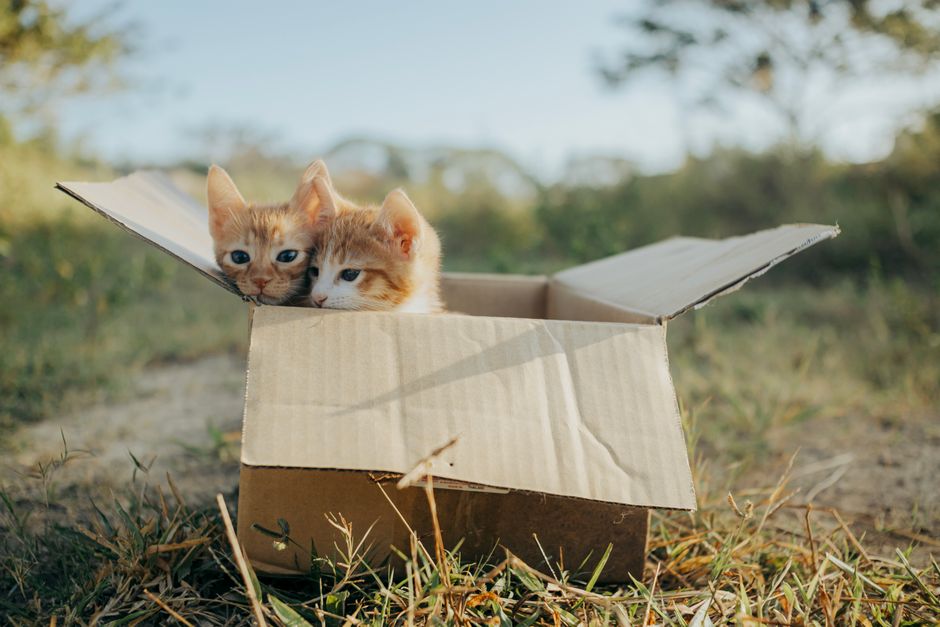
Can I use a cardboard box instead of a bed? Yes — kittens love them and they're free. Line one with a blanket in a quiet corner and it works just as well as a bought bed.
How often should I change the litter? Scoop daily and change the litter weekly, more often with multiple kittens or a small tray. A clean tray prevents accidents and keeps the house fresh.
What if my kitten won't use the scratching post? Try a different material, angle or location, and place a post right next to whatever they're currently scratching. If scratching seems excessive or compulsive, ask your vet.
Next Steps
Once your kitten is home, focus on three things: settling them into one safe room, building a routine of feeding, play and tray cleaning, and getting to that first vet appointment. In the first month, add grooming tools, a second scratching option and a few more toys as their personality emerges.
The essentials you buy now will last for years — a good scratching post, a properly sized tray and a washable bed will see your kitten through to adulthood. And for anything about vaccinations, diet, health or behaviour, your vet is the right person to ask.