

Dog Travel Buying Guide for UK Homes 2026
Dog Travel
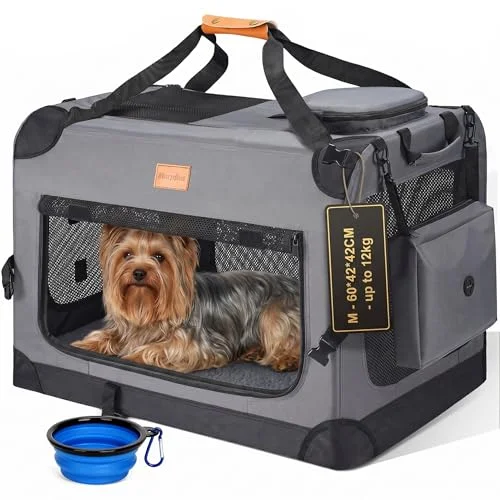
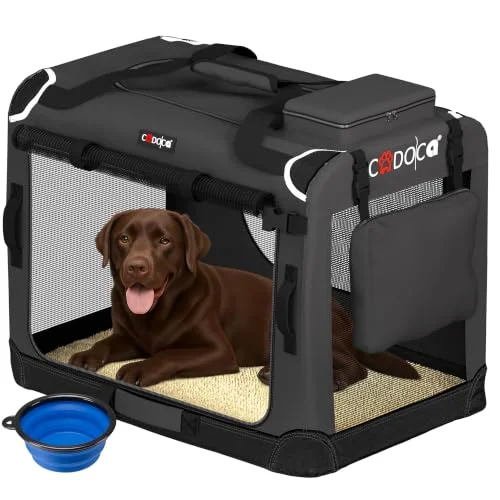
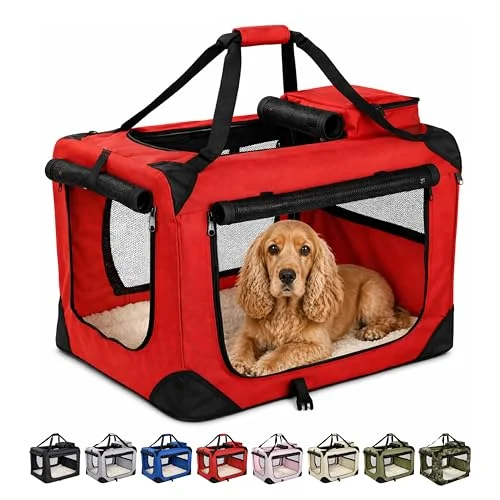
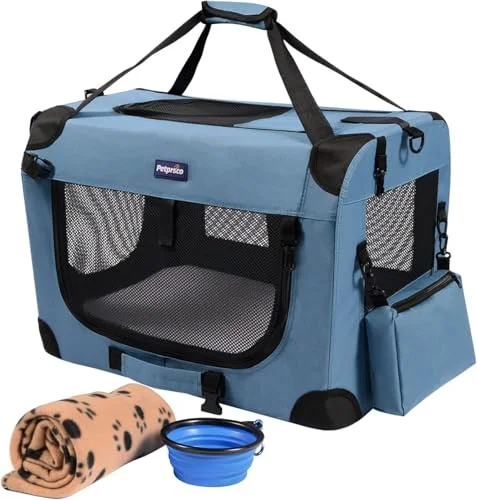
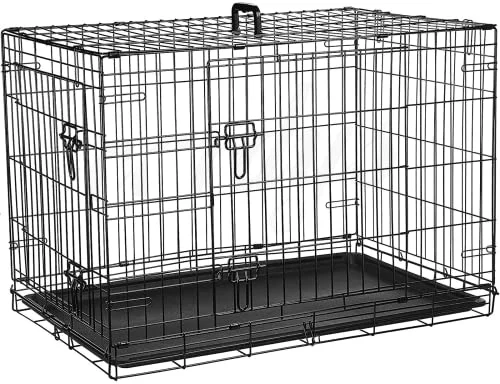
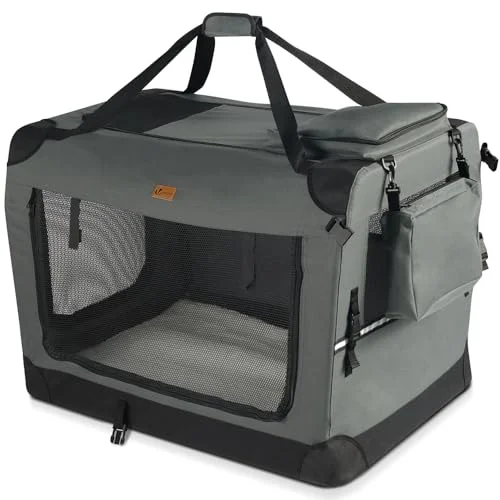
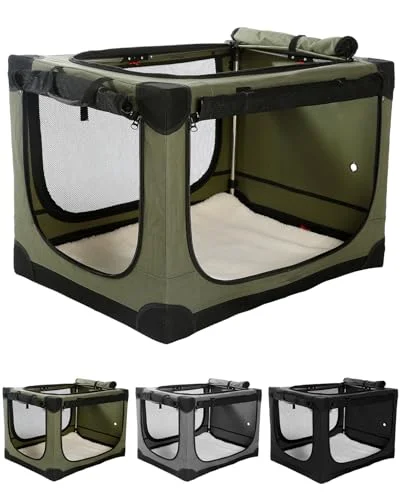
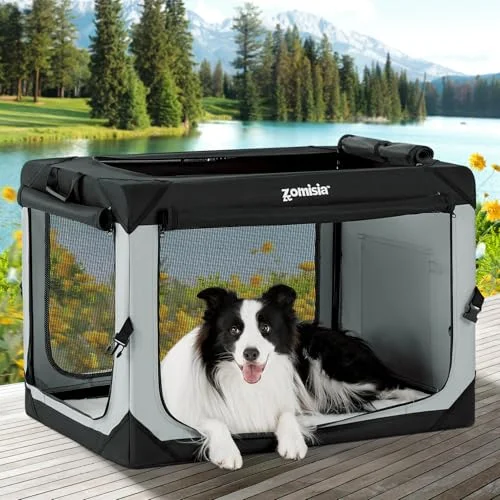
Manufacturers list internal dimensions in centimetres, and that is the number to buy against — not the external footprint, which includes frame and wheels. Your dog needs length from nose to rump plus 5 cm, enough width to turn around comfortably, and enough height to stand without the head touching the roof. For a border collie or a cockapoo, that usually means checking the height line carefully, because these dogs are taller standing than owners expect.
Weight limits and ventilation
Every carrier and harness has a maximum weight, printed on the spec. Exceeding it stresses stitching, hinges and clips, and those are exactly the parts that fail in a sudden stop. Stay inside the limit. Ventilation is the other under-read line: budget crates often have one mesh panel, which turns into an oven on a warm day and a stress box for an anxious dog. Multiple vents, mesh sides or metal slats make a real difference on a two-hour drive.
Fit for harnesses and collars
Measure chest girth, then check the fit at home before any journey — you should be able to slide one finger under the straps, no more. A harness that shifts or twists is not protecting your dog. The same discipline applies to collars on travel days: snug enough not to slip over the head, loose enough not to press on the throat.
Budget Bands and What You Get
Prices in this category run from around £15 to about £110, and the bands below are aggregates across everything we track — not the price of any single item, which changes week to week.
Budget: up to around £20
This is where you find basic soft carriers for small dogs, simple harnesses, lightweight travel mats and basic seat covers. Expect fixed fabric linings, limited ventilation and a realistic lifespan of two to three years with regular use. It suits occasional vet runs, short local journeys and calm dogs under about 10 kg. It does not suit long motorway trips, anxious dogs, chewers or anything airline-related.
Mid-range: around £20–£60
This is the sweet spot for most UK households. You get durable metal or quality plastic crates, removable washable linings, noticeably better airflow, divider panels for puppies, and capacity for dogs up to around 40 kg. Lifespan with care is five to seven years. The trade-off is weight — mid-range crates are heavier to lift — and fewer design frills. For weekly travel, muddy walks and growing puppies, this band does the most work for the money.
Premium: above about £60
Premium buys lightweight airline-approved crates, waterproof outer shells, reinforced hinges, odour-control linings, modular or two-piece designs, and ten-year-plus lifespans. It makes sense for frequent flyers, multi-dog homes, large or anxious dogs, and owners who value machine-washable everything. It is overkill for occasional UK car journeys, and some premium materials are heavier, not lighter — check the weight line if you lift the crate regularly.
| Feature | Budget (up to ~£20) | Mid-range (~£20–£60) | Premium (~£60+) |
|---|---|---|---|
| Materials | Soft fabric, basic plastic | Metal or quality plastic | Metal, treated ash, waterproof shells |
| Linings | Fixed | Removable, washable | Waterproof, odour-control |
| Ventilation | Basic | Good | Excellent |
| Puppy dividers | No | Often included | Included |
| Airline-approved | Rarely | Some models | Usually |
| Typical lifespan | 2–3 years | 5–7 years | 10+ years |
| Best for | Short local trips, small calm dogs | Weekly travel, puppies, most owners | Flying, large or anxious dogs, multi-dog homes |
Common Mistakes and FAQ
Mistakes worth avoiding
- Buying too small — measure nose to rump plus 5 cm and standing height, then buy for the adult dog if you have a puppy.
- Ignoring weight limits — the clips and hinges are the weak point, and they fail exactly when you need them.
- Soft carriers for big or anxious dogs — mesh and zip seams do not survive a determined chewer or a 30 kg lunge.
- Not test-fitting at home — a harness should allow one finger underneath and nothing more, checked before you drive.
- Paying for airline approval you will never use — it adds cost and weight for a benefit most UK owners never claim.
- Skipping washability — fixed linings become a hygiene problem within months if your dog is muddy or carsick.
Two safety points that are easy to overlook: toys and chews given in the car carry choking and swallowing risks, so supervise or leave them out of the crate, and never leave a puppy crated for long stretches — plan breaks and let them out to stretch and toilet.
Questions we get asked most
Can I use my home crate in the car? Yes, if it fits securely and does not slide. Home crates are bulkier and heavier, so a dedicated travel crate is more practical if you drive weekly — but one multi-purpose crate is a sensible money-saver for occasional travellers.
How long can a puppy travel in a crate? Young puppies need frequent breaks, and the right interval depends on age and the individual dog. Ask your vet about safe crating duration for your puppy, and an accredited trainer about building crate confidence before the first long trip.
Harness or crate — which is safer? Both beat a loose dog. Harnesses are cheaper and lighter and suit calm small dogs; crates and barriers contain anxious or energetic dogs and hold up better in a crash. Choose by temperament and boot space, not by price alone.
Do I need waterproofing if I mostly travel in dry weather? Waterproofing earns its keep against car sickness, wet paws and spilled water, not just rain. If your dog is calm and clean it is optional; if not, a washable cover saves your interior.
Start with your dog's measurements and your honest travel pattern, buy the mid-range unless you have a specific reason to go up or down, and check the live widget on this page for what is currently in stock across the bands. Get the fit right and the rest — mud, motorways and holiday cottages — takes care of itself.
