
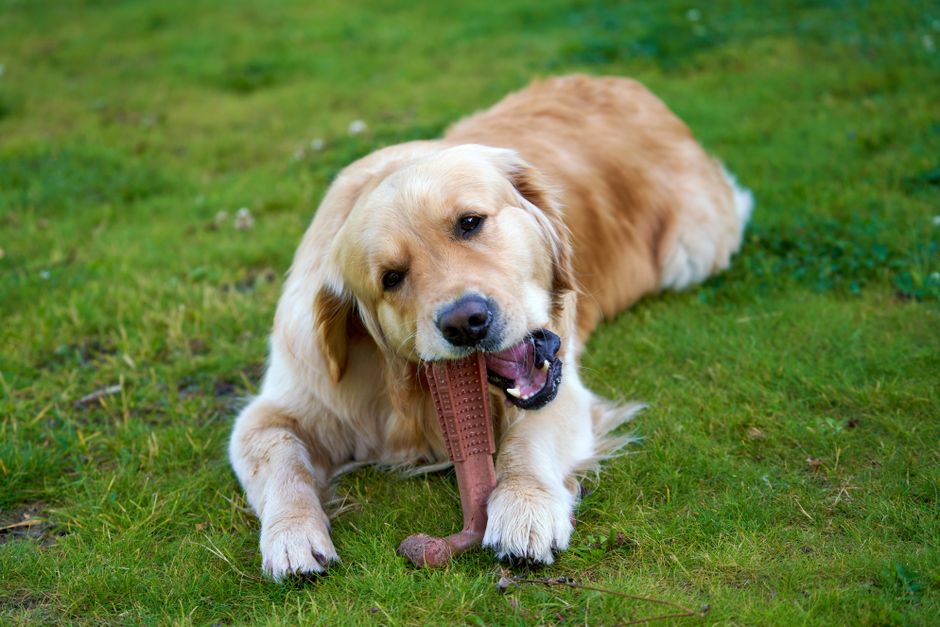
Best Tough Dog Chew Toys 2026
Tough Dog Chew Toys: What Actually Survives a Strong Chewer
If your dog has a toy in pieces before you've finished your coffee, you already know the problem: most chew toys are built for gentle gnawing, not for a determined Staffordshire bull terrier or a bored adolescent Labrador. Tough dog chew toys are the fix, and the good news is that UK prices for genuinely durable options sit in a narrow, affordable band — roughly £5 at the budget end up to about £15 for premium designs, with most clustering between £8 and £12. The cheapest ones often skip the reinforced walls and thicker seams that make the difference, which is exactly why a £5 toy can cost you more over a year than a mid-range one.
Quick answer: Buy a chew toy rated for heavy chewing, sized to your dog's weight and mouth, and supervise the first few sessions — most UK owners get the best balance of toughness and value in the mid-range band, and current price drops mean you can often pick up that level of durability for budget money.
Why this matters beyond the cost of replacements: a dog with an appropriate outlet for chewing is far less likely to redirect that need onto skirting boards, shoe soles or the garden furniture. Chewing is normal canine behaviour, and for a teething puppy or a high-energy adult it's a genuine need rather than a naughty habit. A solid chew toy also gives your dog something to do during a wet afternoon when the walk gets cut short, or when you're out and the flat feels empty.
The tricky part is that "tough" is a marketing word, not a standard. Every toy has a limit, and every dog chews differently — a toy that survives a cockapoo's gentle gnawing may crumble under a German shepherd's power bite. That's why matching the toy to your dog's size, chewing style and age matters more than any claim on the packaging.
This guide walks through what to look for, what you actually get at each price tier, and how to use the live widget on this page to catch current deals. The widget tracks real products and prices updated daily, so you'll see what's genuinely available and on offer right now rather than a stale recommendation from last year.
How to Choose Tough Dog Chew Toys: What Matters
Picking a durable chew toy isn't about grabbing the hardest-looking object on the shelf. A few practical factors decide whether a toy lasts, stays safe, and actually appeals to your dog.
Dog size and chewing power
This is the first filter, and it's where most bad buys happen. A toy built for a large breed will be too bulky for a toy poodle to grip, while a small toy in a big dog's mouth is a choking risk waiting to happen.
- Toy and small breeds (under 10 kg): look for toys around 5 cm or less in diameter that fit comfortably in the jaw without being swallowable.
- Medium breeds (10–25 kg): mid-sized toys of roughly 5–8 cm with moderate wall thickness suit most everyday chewers.
- Large and giant breeds (25 kg+): oversized toys of 8 cm and up with heavy-duty construction, sized so the whole toy can't fit in the mouth.
- Power chewers: German shepherds, Rottweilers and pit-type dogs need thicker walls and reinforced seams — anything thin-walled will be punctured.
Material durability
- Rubber (natural or synthetic): flexible and bouncy, resists tearing well; avoid thin-walled designs that puncture easily.
- Nylon: hard and long-lasting, but can splinter under aggressive chewing — inspect regularly for loose pieces.
- Bamboo and natural fibres: eco-friendly and naturally resistant to odour, but better suited to moderate chewers than power chewers.
- Rope and braided materials: good for interactive tug play and gentle dental cleaning, but supervise closely as loose fibres can be swallowed.
Size and fit
A simple rule: if your dog can fit the entire toy in their mouth, it's too small. Check the manufacturer's weight recommendation against your dog's actual weight, and remember that a border collie at 18 kg chews very differently from a bulldog at the same weight.
Design features worth paying for
- Textured surfaces: ridges and grooves engage the gums and help clean teeth as your dog chews.
- Multiple textures: toys combining rubber with rope or nylon hold interest for longer.
- Treat-dispensing hollows: hiding kibble inside extends play time and keeps a food-motivated dog busy.
- Simple, symmetrical shapes: easier to clean and less likely to trap food debris or bacteria.
Safety and supervision
No toy is truly indestructible, whatever the packet says. Supervise the first few sessions with any new toy, especially with puppies and power chewers, and watch for cracks, splintering or pieces coming loose. Remove the toy at the first sign of significant wear, and rotate toys regularly to keep interest high. If your puppy is teething or you're unsure what's appropriate for their age, ask your vet or an accredited trainer or behaviourist for guidance.
Price versus durability
A pricier toy isn't automatically tougher — sometimes you're paying for packaging or branding. Mid-range options usually hit the sweet spot between durability and value, while budget toys can work well for moderate chewers but may not survive a power chewer's first session.
Counter-intuitive note: a mid-range toy that has dropped 30% in price often outperforms a premium toy at full price—you're getting reinforced construction at entry-level money, not paying for eco-packaging you don't need.
What You Get for Your Money: Budget, Mid-Range and Premium
UK tough chew toys currently run from around £5 to £15, with most sitting in the £8–£12 band. Here's how the tiers actually differ in construction and lifespan.
To help you spot which tier suits your dog, here's how budget, mid-range and premium options differ in real construction and expected lifespan.
Budget (up to around £10)
- Best for: gentle to moderate chewers, puppies learning what's appropriate, and owners building a rotation of toys.
- What you get: single-material construction, usually rubber or nylon, in basic shapes with minimal texture.
- What you miss: reinforced seams, thick walls, multi-texture designs and treat-dispensing features.
- Realistic lifespan: a few weeks of moderate chewing; far less for a determined chewer.
Mid-range (around £10–£12)
- Best for: most UK dogs of any size, and owners who want durability without premium pricing.
- What you get: thicker walls, stronger seams, dual-texture designs and often a treat hollow or textured ridges.
- What you miss: premium eco-materials and the very longest lifespan for confirmed power chewers.
- Realistic lifespan: several weeks to a few months of everyday chewing.
Premium (above around £12)
- Best for: confirmed power chewers, owners who prefer natural or eco-friendly materials, and dogs with specific needs like dental engagement.
- What you get: maximum reinforcement, advanced materials such as bamboo or natural rubber, ergonomic shapes and multiple textures.
- What you pay for: material sourcing, design sophistication and sometimes features you may not need.
- Realistic lifespan: the longest of the three tiers, though a true power chewer can still shorten it.
| Feature | Budget | Mid-Range | Premium |
|---|---|---|---|
| Best for | Gentle chewers, puppies | Most dogs, everyday use | Power chewers, long-term |
| Materials | Single (rubber or nylon) | Dual or multi-texture | Advanced, eco-friendly |
| Treat dispensing | Rare | Common | Standard |
| Price band | Up to £10 | £10–£12 | Above £12 |
| Value for money | Low for strong chewers | High for most dogs | Medium unless a power chewer |
Tough Chew Toys
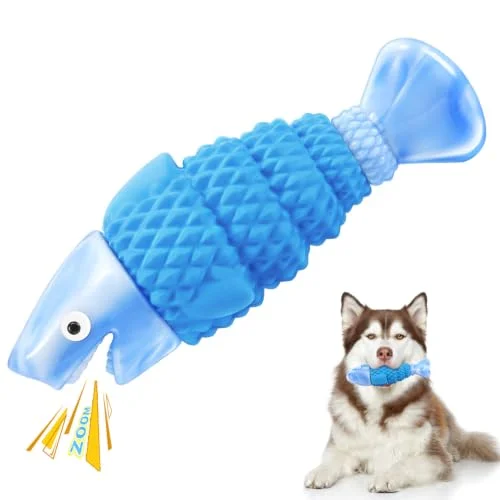
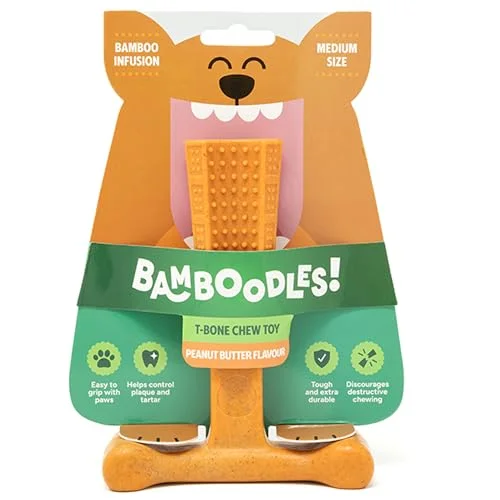
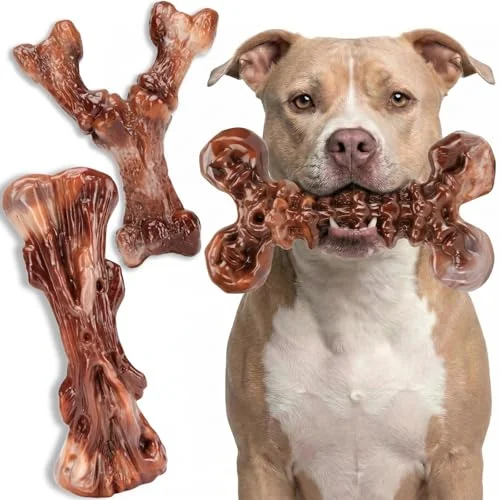
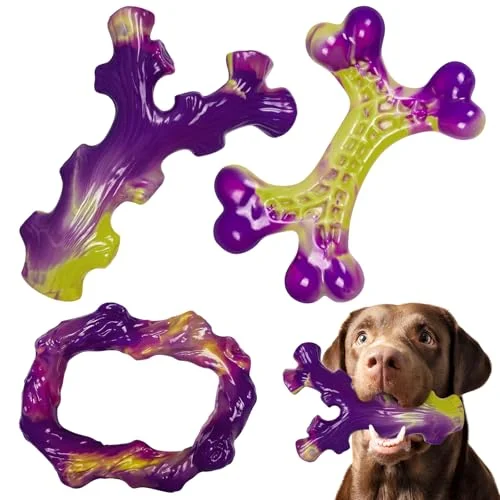
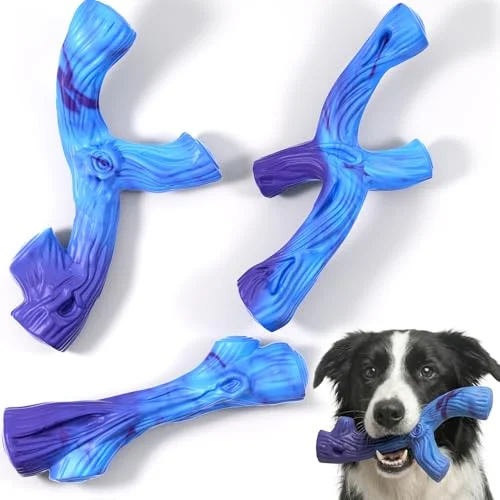
For most UK owners, the mid-range band is the sensible default. Budget options make sense for lighter chewers and puppies; premium is justified mainly for confirmed power chewers or if sustainable materials matter to you.
Finding the Best Deal Right Now
If your dog is a confirmed power chewer, filter the widget for premium rubber or nylon toys sized 8cm+; if you have a moderate chewer, start with mid-range dual-texture options and check for treat-dispensing features.
Start with size, then material
Filter by your dog's weight range first, then narrow by material. Rubber is the best all-rounder for durability and safety; nylon lasts longest but needs watching for splintering; bamboo suits moderate chewers who prefer natural materials; mixed-texture designs offer variety and hold interest longer.
Use the price filter to spot genuine drops
Compare a toy's current price against its recent average rather than the crossed-out figure on the box. A mid-range toy that has dropped into the budget band is the best value on the page — you get reinforced construction for entry-level money. Multi-packs are worth a look if your dog destroys toys quickly.
Read the specs and ratings
Each tracked product displays weight and size recommendations, material composition and customer ratings; consistently high-rated options (4.3+ stars) indicate durability and dog appeal across multiple owners. Ratings above 4.3 suggest consistent durability and dog appeal; anything below 4.0 deserves a closer read of the reviews for comments about loose pieces or splintering.
Our recommendation: start with a mid-range option in your dog's size category. If it's destroyed within a couple of weeks, move up to premium or try a different material. If it lasts a couple of months, you've found your sweet spot — set a price-drop alert and stock up when it falls.
Placement, Care and Common Questions
Where to keep chew toys
- During supervised play: keep the toy in the main living area where you can watch for damage.
- Between sessions: store in a cool, dry place away from direct sunlight, which degrades rubber and nylon.
- In the crate: a tough toy can provide comfort and distraction, but never leave a puppy crated with a toy for long periods, and check for loose pieces.
- In the car: ideal for long UK drives to keep your dog occupied and calm.
- Outdoors: avoid leaving toys outside overnight, as weather degrades materials and wildlife may damage them.
Cleaning and maintenance
Rinse with warm water after play, especially after muddy walks, and wipe weekly with a damp cloth. For deeper cleaning, soak in warm water with a dog-safe cleaner following the product instructions. Inspect for cracks and odours before each use, and replace anything visibly degrading.
FAQs
How long should a tough chew toy last? It depends on your dog's chewing power and the toy's quality — budget toys may last a few weeks with moderate chewing, mid-range several weeks to months, and premium longer still. Power chewers shorten any lifespan, so rotate toys to spread the wear.
Is a more expensive toy always tougher? No. Mid-range toys often offer the best durability-to-price ratio, and price alone tells you little about toughness. Match the toy to your dog's size and chewing style instead.
Can I leave my dog unsupervised with a chew toy? Supervise the first few sessions to check for loose pieces and choking risks. Once you're confident it's safe, brief unsupervised play is fine, but never leave a puppy unsupervised with any toy.
What if my dog swallows a piece? Contact your vet immediately — swallowed toy pieces can cause blockages and shouldn't be left to pass on their own. This is general product advice, not veterinary advice; your vet will advise on next steps.
Are bamboo chew toys as tough as rubber or nylon? Bamboo is durable and naturally resistant to odour, but less resistant to power chewing than reinforced rubber or nylon. It suits moderate chewers; for aggressive chewers, rubber or nylon is more reliable.
Start with a mid-range rubber toy in your dog's weight category, supervise the first session, and set a price-drop alert for the widget so you can restock when durability-proven options fall into the budget band.
We research dog and puppy kit from maker specs and thousands of UK owner reviews (we don’t test products hands-on), and check UK prices daily. We only link to real retailers and update guides as products change. Health, diet or behaviour questions belong with your vet or an accredited trainer.