Best Christmas Gifts for Dogs 2026
Back
Gifts & seasonal

Best Christmas Gifts for Dogs 2026

Independently researchedPrices checked November 2026

Most Christmas gifts for dogs in the UK sit between about £5 and £15, and that narrow band hides a big difference in quality. The cheapest end — up to roughly £10 — buys you a single toy or a small pack, often with stitching that gives up by New Year. Push into the £10–£15 mid-range and you get multi-packs, sturdier materials and interactive features that survive an enthusiastic chewer. Above £15 you're into premium territory: heavier-duty puzzle toys, better-finished beds and coats built for wet UK walks.

That matters because the wrong gift is money wasted. A toy sized for a Labrador can lodge in a toy breed's throat; a puzzle feeder that's too simple bores a border collie in minutes; a bed too small gives an older spaniel no support at all. Match the gift to your dog and the budget takes care of itself.

‌
‌

Quick answer: With about £10, buy a sturdy interactive toy or a varied toy pack; with £10–£15, add a quality bed or a waterproof coat; if you can stretch above £15, combine a premium puzzle toy with a practical winter item.

We've tracked eight options rated 4.4–4.7 stars across toys, beds, coats and puzzle feeders, all shown live in the widget on this page so you can compare stock and current prices in real time. The advice below stays true whatever the widget shows today.

Safety runs through every recommendation. Chocolate, cooked bones, grapes and tinsel are off-limits; new toys need supervision, especially with puppies; and correct fit for a harness, collar or crate is the difference between comfort and injury. If your dog has health or dietary concerns, your vet is the person to ask — not a buying guide.

How to Choose Christmas Gifts for Dogs: What Matters

Picking a gift isn't about what looks good under the tree. It's about matching the item to your dog's size, age, play style and your actual routine — muddy walks in a wet January included.

Size and breed

Size is non-negotiable. Check the stated weight range or breed suitability before anything else.

  • Toy breeds (under 5 kg): small soft toys, lightweight harnesses and compact beds — a cockapoo puppy and a Chihuahua both need items scaled down.
  • Small to medium (5–15 kg): standard interactive toys, mid-sized beds, adjustable collars and leads.
  • Large (15–30 kg): robust heavy-duty toys, orthopaedic beds and reinforced harnesses for a Labrador or similar.
  • Giant (over 30 kg): extra-large beds, durable chew toys and wide-fit coats.

Age and life stage

Puppies need toys big enough not to swallow and soft enough for developing teeth; seniors often do better with orthopaedic support and easier-to-grip toys. Adult dogs are the most forgiving. Ask your vet about age-appropriate choices, particularly for puppies under 12 weeks or dogs over seven.

Play style and temperament

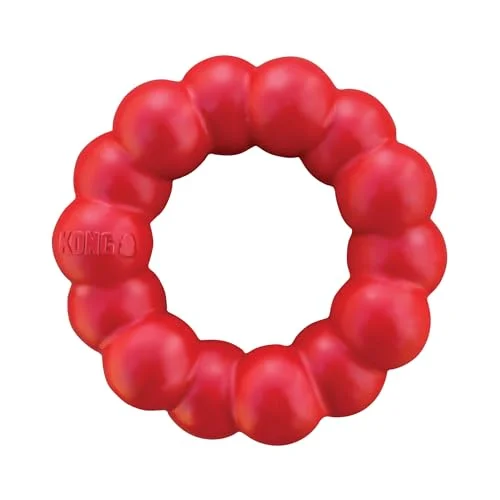
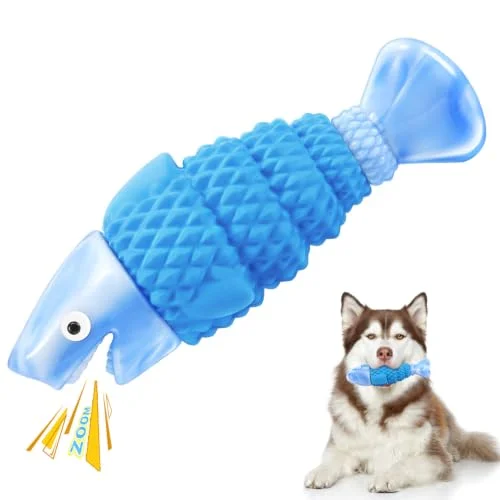
  • Destructive chewers: durable rubber or nylon; skip plush toys with squeakers.
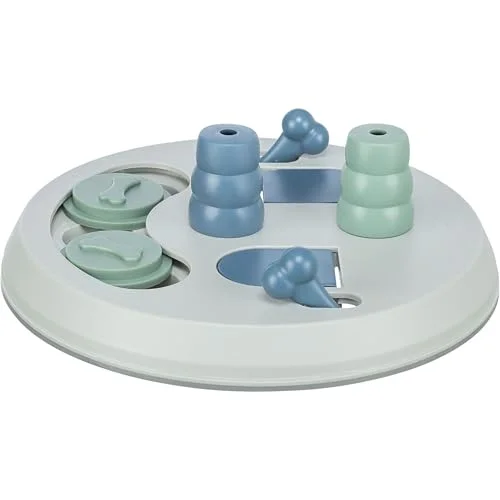
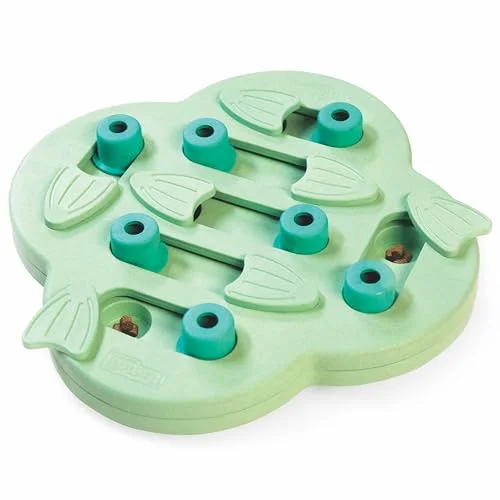
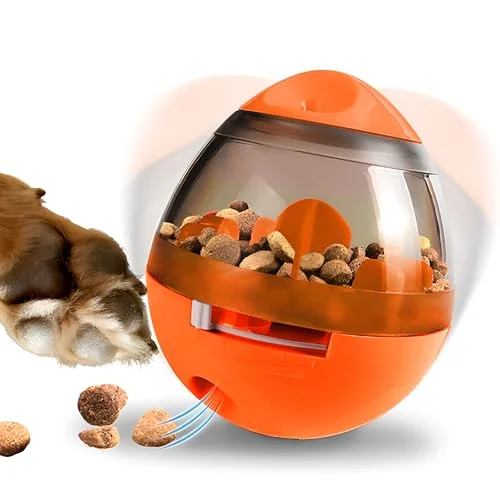
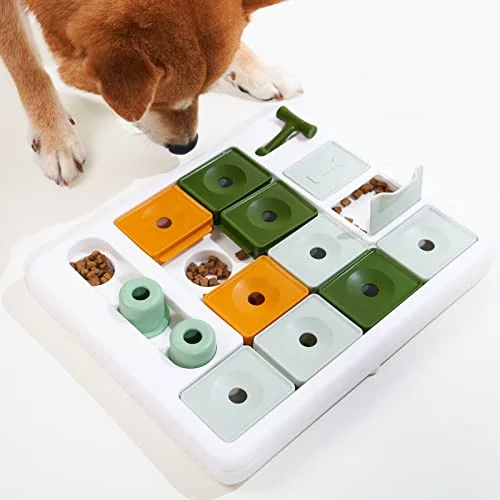
  • Puzzle lovers: treat-dispensing toys, interactive feeders and sniff mats.
  • Fetch fanatics: balls and retrieving dummies in the right size.
  • Solo players: long-lasting chews and comfort items.
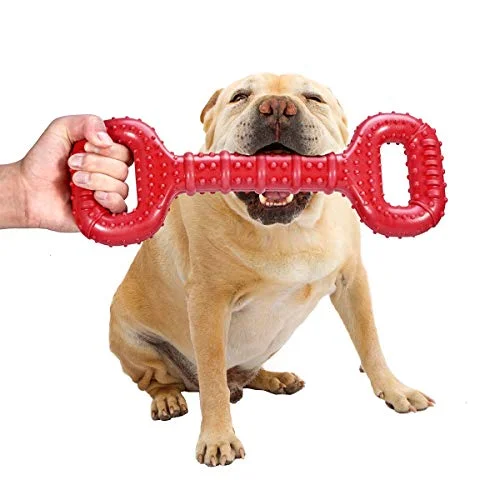
  • Social dogs: tug toys and games you play together.

Durability and materials

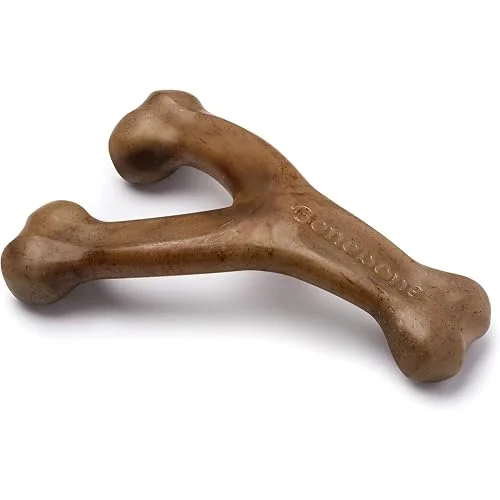
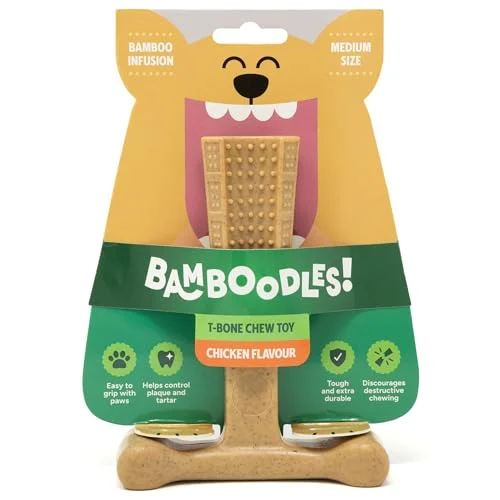
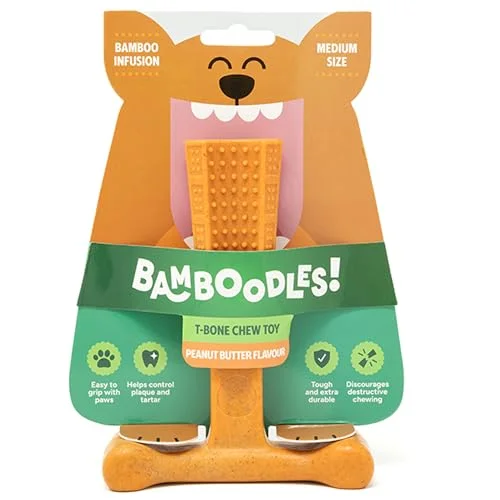
Cheap toys shed stuffing, lose squeakers and split at the seams within weeks. Look for rubber, nylon, rope and bamboo — bamboo is increasingly common in this category and holds up well to moderate chewers. A toy that survives three months is better value than one that lasts three weeks, whatever the shelf price.

Seasonal practicality

A wet December walk across a muddy park makes a waterproof coat or a quick-dry towel genuinely useful rather than a novelty. Indoor toys and beds earn their keep year-round.

Safety first

  • Small parts: check for anything a puppy could swallow or choke on.
  • Loose fittings: avoid toys with dangling threads, buttons or glued-on eyes.
  • Fit: two fingers should slide under a collar; a harness shouldn't rub or restrict movement; a crate should let your dog stand, turn and lie down.
  • Supervision: watch new toys for the first few sessions, and never leave a puppy crated for long periods.

Weigh cost per month of enjoyment, not just the upfront price. That £5 ball that dies in a week costs more than the £12 toy still going in March.

What You Get for Your Money: Budget, Mid-Range and Premium

Three tiers, three sets of trade-offs. Knowing what each buys you stops you overpaying for a label or underpaying for something that breaks.

Budget: up to about £10

Usually a single toy or a small basic pack — simple rubber balls, rope toys, basic plush. Good for testing whether your dog likes a toy type, for dogs that destroy things fast, or as stocking fillers. The trade-off is loose stitching, squeakers that fail quickly and stuffing that sheds. Read reviews carefully; some budget toys are well made, many aren't.

Dog Toys

Mid-range: about £10–£15

This is where most UK owners find the sweet spot. Expect multi-toy packs with variety, single interactive or puzzle toys, quality beds for small to medium breeds, durable chew toys and waterproof coats for smaller dogs. Built to last two to six months of regular play, with stronger stitching and more reliable interactive features.

Premium: above about £15

Orthopaedic beds with extra support, heavy-duty puzzle feeders with multiple compartments, toys built for aggressive chewers, insulated coats for large breeds and complete grooming or play kits. Designed for longevity of 12 months or more, or for specific needs — joint support, mental stimulation, weather protection. Worth it for seniors, large breeds and dogs that wreck standard toys.

TierPriceBest forTypical lifespanWhat you get
Budgetup to ~£10Testing, variety, quick replacementsWeeksSingle toy or basic pack
Mid-range~£10–£15Most dogs, balanced value2–6 monthsMulti-packs, interactive toys, basic beds
Premiumabove ~£15Longevity, specific needs, large or senior dogs12+ monthsOrthopaedic support, advanced puzzles, durability

If your dog is young, medium-sized and gentle on toys, mid-range is plenty. Seniors, large breeds and heavy chewers get better value from premium. Budget suits variety packs and trial runs.

Our Top Picks: Where to Find the Best Christmas Gifts for Dogs

Eight tracked options, rated 4.4–4.7 stars, span toys, beds, coats and puzzle feeders. The live widget on this page shows current stock, prices and reviews so you can compare in real time — here's how to filter it sensibly.

By dog size

  • Toy breeds (under 5 kg): filter for small or toy-breed tags and check weight limits.
  • Small to medium (5–15 kg): most standard toys and beds fit this range.
  • Large to giant (15 kg+): filter for large-breed or extra-large and check weight ratings.

By gift type

  • Interactive toys and puzzle feeders: best for mental stimulation and treat rewards.
  • Durable chew toys: for aggressive chewers and long-lasting play.
  • Beds: prioritise orthopaedic options for seniors.
  • Waterproof coats: check chest girth and back length before buying.
  • Multi-packs: good value for variety — confirm every item suits your dog's size.

By price band

  • Up to about £10: budget toys and small packs.
  • About £10–£15: multi-packs, interactive toys and smaller beds.
  • Above about £15: premium beds, advanced puzzle feeders, large-breed coats and durable chews.

By rating and reviews

Sort for 4.5 stars and above, then read reviews from owners with similar-sized dogs. Comments on durability are the most useful signal if your dog is a chewer.

Beyond toys, pair your pick with a bed, a waterproof coat, a puzzle feeder or a grooming kit — each has its own live widget, so you can build a complete bundle that suits your dog's size, age and needs.

Presenting, Storing and Common Questions

Once the gift is chosen, how you hand it over and store it affects both safety and how long it lasts.

Presentation

  • Unwrap fully: remove plastic ties, tags and packaging that could be swallowed.
  • One at a time: introduce new toys singly so you can watch how your dog plays.
  • Supervise: watch the first few sessions, especially with puppies and heavy chewers.
  • Store dry: keep toys cool and out of direct sunlight to slow material breakdown.

Storage

  • Out of reach: keep toys in a basket your dog can't raid unsupervised.
  • Rotate weekly: novelty lasts longer and toys wear more slowly.
  • Inspect regularly: check for loose threads, torn seams and missing squeakers.
  • Discard damage: bin anything with parts your dog could swallow.

Frequently asked questions

What's the best gift for a puppy? Toys large enough not to be swallowed, soft enough for developing teeth and engaging enough to redirect biting. Rope and rubber teething toys work well; avoid small balls and anything that sheds. Supervise all play, never leave a puppy crated for long periods, and ask your vet about teething.

Toy or bed? Toys give stimulation, beds give rest. On a tight budget, start with a toy. For a senior, arthritic or large dog, prioritise an orthopaedic bed.

Are expensive gifts always better? No. A £10 toy your dog loves beats a £15+ one they ignore. Read reviews from similar owners and match the gift to play style — mid-range often offers the best balance.

Can I give a Christmas treat as a gift? Yes, carefully. Avoid chocolate, cooked bones, grapes, onions, raisins and anything containing xylitol — all are toxic to dogs. Stick to dog-safe treats and follow the pack's feeding guide; ask your vet if your dog has dietary sensitivities.

How do I introduce a new toy safely? Unwrap it, inspect for loose parts, supervise the first sessions and watch for choking or distress. Rotate toys and remove anything damaged.

The best gift is the one that fits your dog's size, age and play style. Use the live widget to compare options at your budget, read reviews from owners with similar dogs, and mix and match — a toy, a bed and a seasonal coat make a complete, practical bundle. Happy Christmas to your dog.

FT
FidoBestPicks teamDog & puppy kit editors

We research dog and puppy kit from maker specs and thousands of UK owner reviews (we don’t test products hands-on), and check UK prices daily. We only link to real retailers and update guides as products change. Health, diet or behaviour questions belong with your vet or an accredited trainer.

Found this useful?

Send it to a friend who would like this.